Mental Health Shmentalhealth!
IT’S AN EXCLUSIVE CLUB OF SEVERAL BILLION
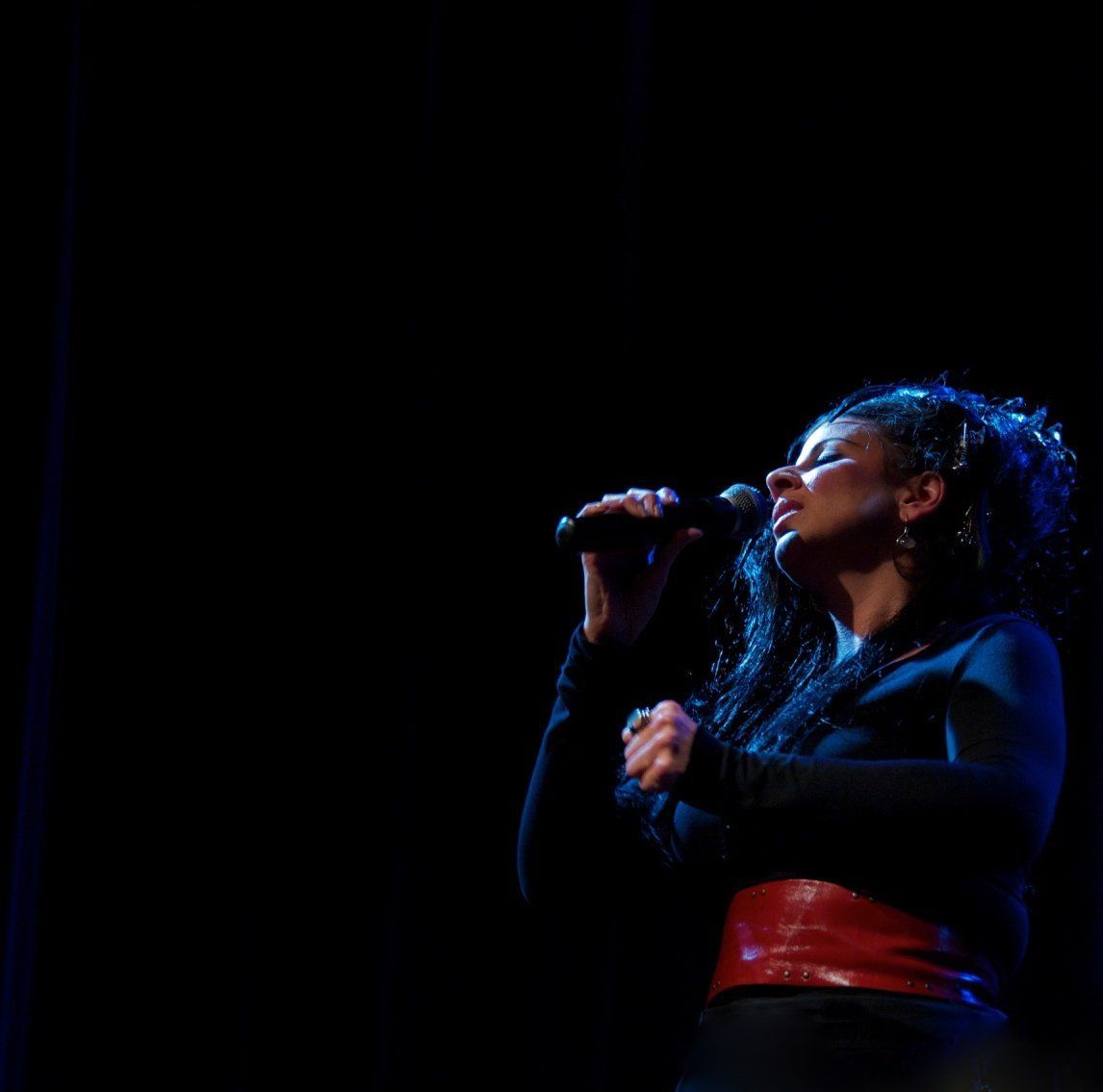
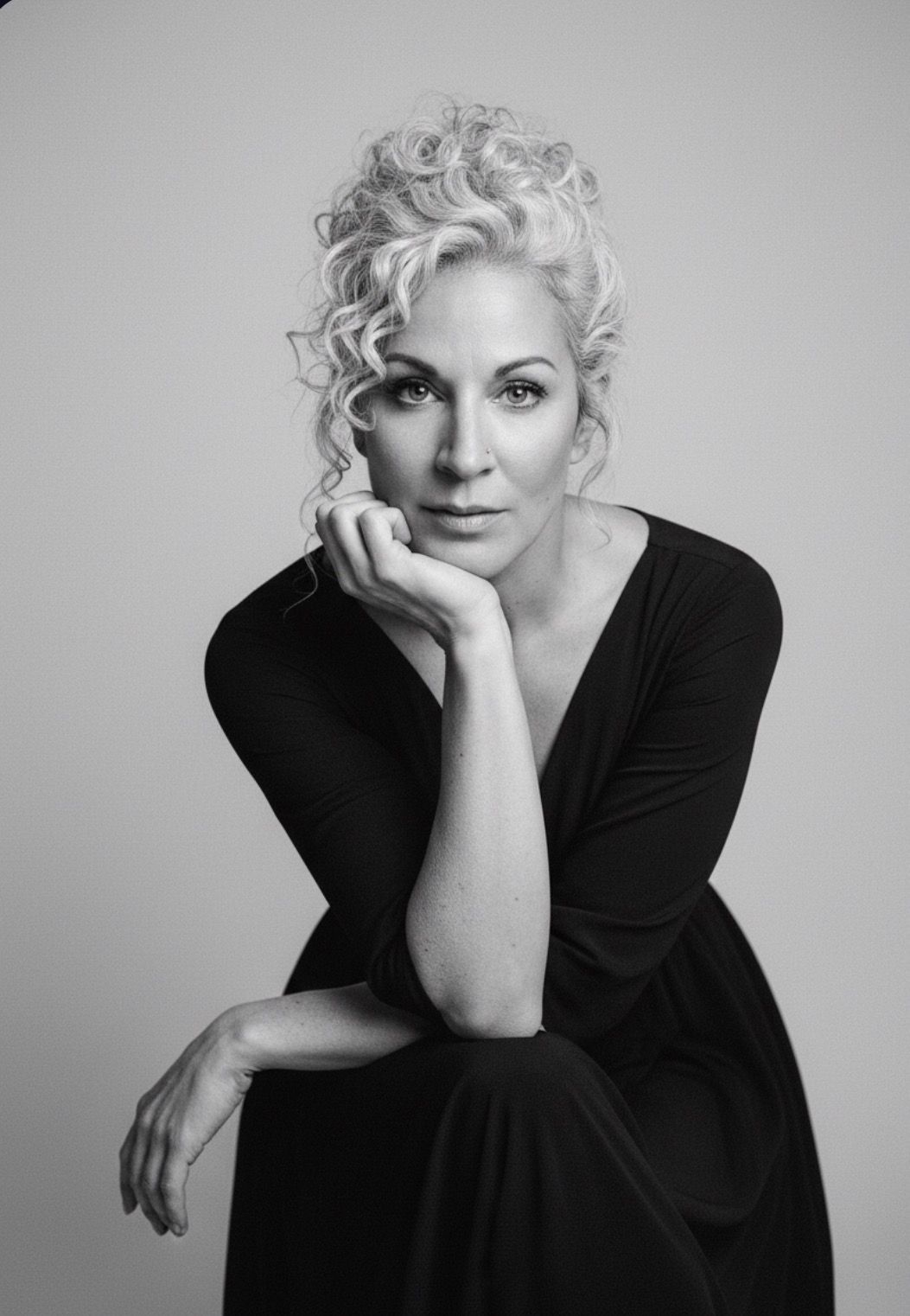
Most of my fans don’t know what I do for a living. Many of my client's have never heard me sing.
Music and writing are my passions.
They are part of what keeps me going.
But what keeps me grounded and funded in the world is my work as a Community Counsellor with Fear Is Not Love.
I am always reading. Always training. Always asking some version of the same question:
How can I best serve others?
Something I read this morning hit me personally.
I had been reading for over an hour about trauma, mental health, addiction, concurrent and co-occurring disorders, and all the complicated ways human beings adapt when terrible things happen to them.
And beneath all the language of symptoms and diagnoses and treatment modalities was something both incredibly obvious and incredibly difficult:
Healthy, consistent, positive relationships matter.
A lot.
Well.
I took that sorta personally.
As a survivor myself, as well as someone who works in mental health and social services, I started thinking about the people I have loved.
And I realized something.
Almost every intimate relationship I have had, and many of my closest friendships, have involved people with histories of trauma.
Maybe that isn’t surprising. Abuse is extraordinarily prevalent in a society that considers itself informed while remaining remarkably skilled at perpetuating ignorance.
And then there is my own particular spice.
My history.
My healing.
The strange ways a nervous system learns what feels familiar.
Because, apparently, I just don’t date happy-go-lucky, trauma-free, conscious-since-birth-because-the-family-system-was-solid, beautifully adapted, shiny happy people.
I like me some broody, artistic, deep, philosophical, slightly damaged humans.
Because they GET ME.
There is a particular kind of passion, humour, energy, art and conversation that happens when survivors who have dedicated themselves to recovery find one another.
It’s an exclusive club of several billion.
And yet survivors are still stigmatized.
Even within systems designed to help us, trauma can become another way of categorizing people. Another diagnosis. Another risk factor. Another problem requiring management.
But trauma changes us.
Especially when it happens very young.
Our developing brains and bodies adapt to the environments required to survive them.
“We” developed differently.
And yet.
How do we break the cycle?
Not just me.
Not just my family.
Globally.
Why are programs for vulnerable children and youth so often fighting for scraps?
Why does mental health care become a political talking point while people in crisis wait for meaningful support?
What hashtag actually changes systemic toxicity?
Why do the people we entrust with teaching, protecting, counselling and raising the next generation so often earn a fraction of what we pay people whose work entertains us?
Where is my rainbow parade?
Don't I get to keep "pink" without being shamed?
And what happens when somebody attempts suicide?
What happens after their body has been medically stabilized?
What happens when the immediate danger has passed, but the pain that brought them there has not?
Too often, people move from acute medical care into referrals, programs and community services already stretched thin. In Alberta, as elsewhere, navigating mental health and addiction services can mean waiting, qualifying, explaining, repeating, surviving.
And meanwhile, some of the people working with extraordinarily vulnerable human beings are themselves working in underfunded programs, carrying impossible caseloads, earning inadequate wages, or entering front-line positions with wildly varying levels of specialized education and training.
Think about that.
We can be extraordinarily particular about who is permitted to wire our house, cut our hair, prescribe medication or drive certain vehicles.
But the standards governing who gets to sit across from a traumatized human being and say, Tell me what happened, can be surprisingly complicated.
This should bother us.
Because trauma is not merely an individual problem.
And this is where I become unpopular.
I think our fierce insistence on separateness is part of the problem.
My family.
My child.
My property.
My money.
My business.
My God..
not yours.
How I raise my child is none of your f’n business.
It does not take a village.
Piss off with your perspective.
Except those children eventually leave our houses.
They enter schools.
Relationships.
Workplaces.
Governments.
Hospitals.
Bedrooms.
They become parents.
They become leaders.
They become us.
We worry about our social media algorithms and bank statements while some members of the next generation are hiding in bedrooms, treatment centres, emergency rooms, eating-disorder programs and detox facilities trying to survive long enough to become adults.
Oh.
Not you, of course.
Not me.
Yes, you!
And also me.
Which brings me to the uncomfortable question.
What can I actually do, other than complain and write a post ten people will read?
I don’t know. Although at least you've read this far and that's a great start!
Maybe that is where honesty has to begin.
I don’t know how to repair a civilization.
But I know a few things I can do.
Keep healing myself and support the healing of others.
Vote very carefully.
Volunteer.
Donate resources to mental health and social support agencies more than I think I can.
Continue speaking my truth, even when it is unpopular.
Keep my learning, my mental health practices and my tools sharp.
Question systems, including the ones that employ me.
Listen to survivors.
Stay teachable.
Love people without pretending love alone fixes structural injustice.
And perhaps most difficult of all:
Forgive them for everything.
Brrrrr, nope, hate that one but in truth it's not my business to punish others and it's not helpful to anyone especially not to me.
Forgive.
Not because everything was acceptable.
Not because accountability does not matter.
Not because harm should be forgotten.
But because I do not want what happened yesterday deciding how much love I am capable of giving today.
So I will keep asking:
How can I best serve?
Maybe there is no final answer.
Maybe asking the question, and refusing to stop asking it, is part of the work.
Thank you for listening. Truly. Thank you for listening.
Love,
#mentalhealth #recoveryispossible #survivor #LoveChallenge #traumainformed #trauma #strengthbased #wildwomanrisin
Black's Blog